Emotion & empathy
How affective information shapes attention, choice, social connection, and care.
Affective neuroscience · Seoul
I investigate how emotion and empathy emerge across the brain, body, and our interactions with intelligent systems.
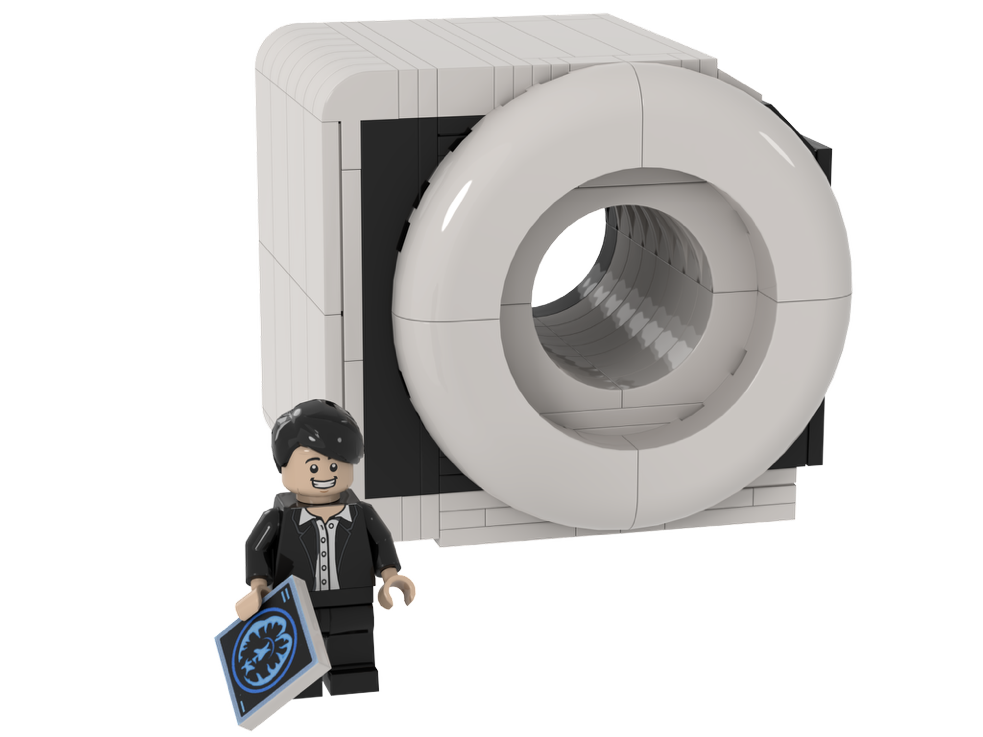
Emotion is both a biological signal and a social language.
My work brings together affective neuroscience, clinical research, engineering, and human–AI interaction. I use multimodal neuroimaging, psychophysiology, and non-invasive brain stimulation to study human emotion, empathy, and mood disorders.
Across these methods, one question stays central: how can individual biological signals help us understand—and build technologies that better support—social and emotional life?
Studying affect across neural circuits, physiology, behaviour, and technology.
How affective information shapes attention, choice, social connection, and care.
Brain structure, connectivity, and change in empathy, mood, and clinical populations.
Vagal and electrical stimulation, autonomic regulation, EEG, and embodied signals.
Emotion-aware robotics, digital mental health, and socially intelligent AI systems.
Seven investigator-led projects spanning affective neuroscience, clinical translation, and empathic AI.
A small interdisciplinary team connecting neuroscience, computation, and human behaviour.
Affective neuroscientist · Korea University
Researcher
Research Assistant
Department of Data Science · Hanyang University
Department of Psychology · Yonsei University
College of Medicine · Korea University
Brain & Cognitive Engineering · Korea University
Data Science · Hanyang University
Psychology · Yonsei University
Korea University
Korea University
Korea University
Research collaborations and interdisciplinary conversations are always welcome.
cnsla@korea.ac.kr ↗